
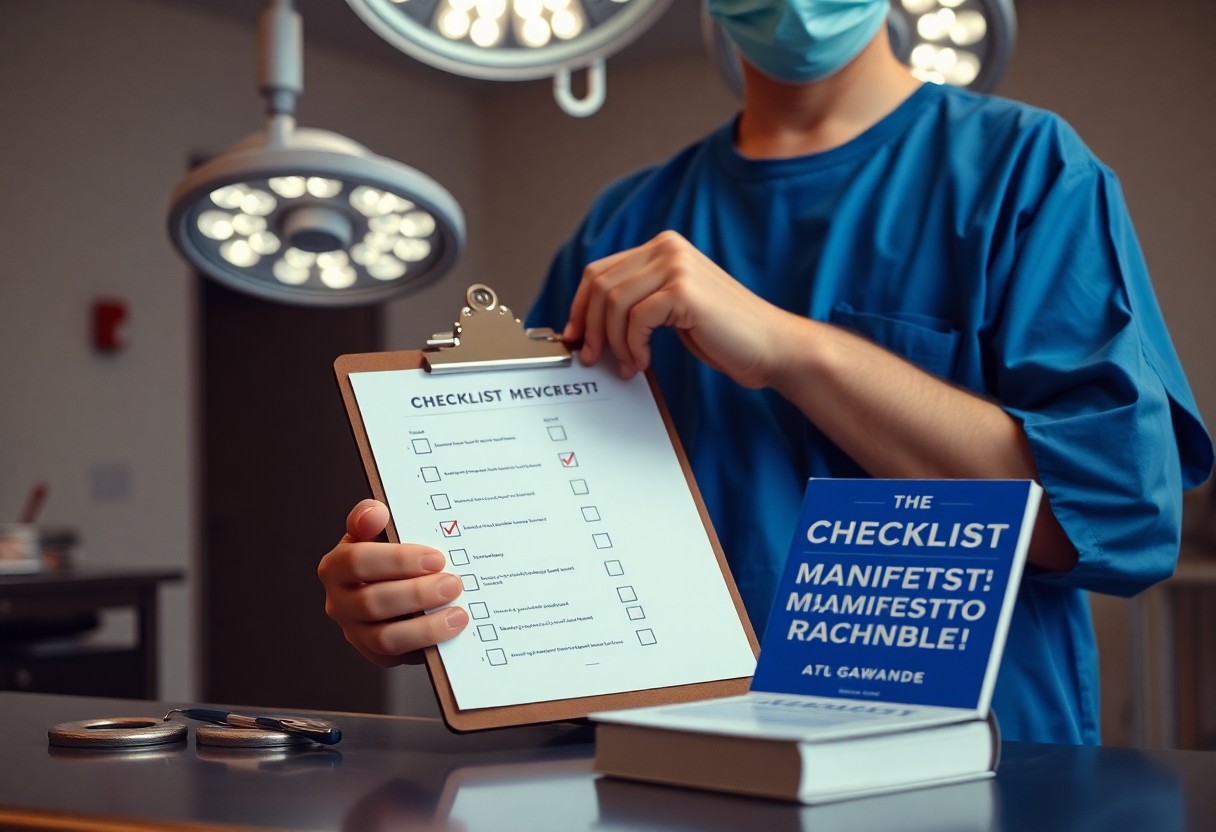
The book draws an important distinction between not knowing what to do and failing to do something we already know matters. In complex work, expertise does not remove the limits of memory, attention, coordination, or fatigue.
What we learned
A good checklist is not a complete procedure. It protects a small number of critical, easy-to-miss steps at moments where omission carries real cost. That is why useful checklists are short, specific, and anchored to clear pause points.
The tension underneath the idea
A checklist can become bureaucracy when it tries to capture everything. The goal is not to replace expertise or judgment, but to make sure the basics survive pressure, complexity, interruption, and familiarity.
What changes when we apply it carefully
We can identify a recurring task, find the few steps that are both important and vulnerable to omission, decide where a pause should occur, choose a Read-Do or Do-Confirm format, and test the checklist in real conditions before refining it.
What we would not turn into a rule
Checklists do not make every process safe, and they cannot compensate for poor training, inadequate resources, or bad judgment. Their job is narrower: protect critical execution so attention can remain available for the parts that require expertise.
From Growth to Journal
The paired Journal now records a real FreshTrack submission-QA experience: test scripts and evidence requirements were checked one by one, executed PASS results were kept distinct from structurally CONFIRMED items, a DOCX problem required repair, and a documented object-name mismatch surfaced during the final review.