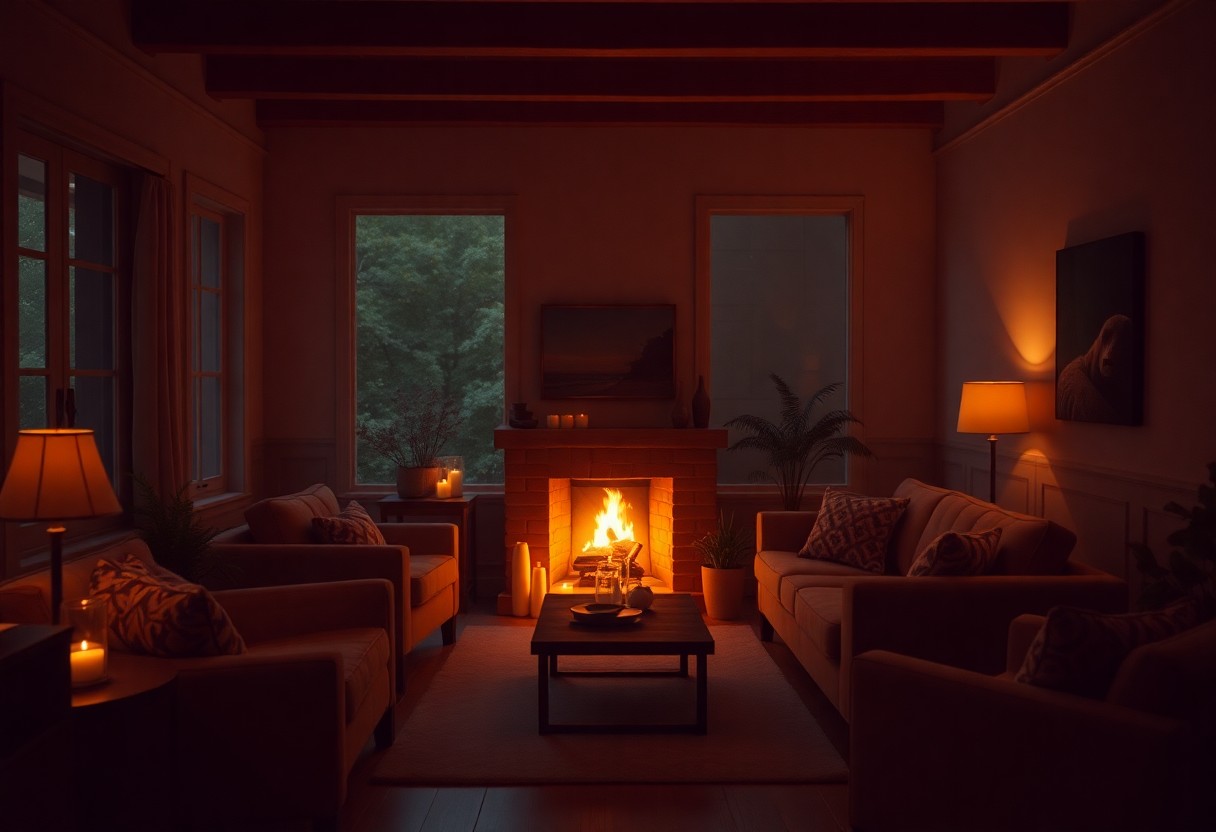
Many people underestimate the power of non-verbal communication in shaping the atmosphere around them. You can influence the energy in any space simply through your presence, body language, and demeanor. By being mindful of your actions and the subtle cues you give off, you can create a harmonious environment that fosters connection, comfort, and positivity without uttering a single word. This guide will equip you with the techniques to effectively shift energy and transform the room to align with your intentions.
Understanding Energy Dynamics
Energy dynamics within a space can significantly impact emotions, thoughts, and interactions. Every environment carries its own frequency, reflecting the collective energy of its occupants and the materials surrounding them. You might not consciously recognize these dynamics, but they touch every aspect of your experience in a room, influencing your comfort, creativity, and focus.
The Importance of Energy in Spaces
Energy in spaces plays a vital role in your well-being and productivity. A room filled with negative energy can evoke feelings of discomfort and tension, while a positive atmosphere can foster collaboration and inspiration. Striving for a balanced energy flow is crucial to create environments that support your goals and enhance your daily life.
Factors Influencing Room Energy
Your surroundings can shift energy levels in various ways. Elements like lighting, color schemes, furniture arrangement, and even the presence of plants can create a specific mood. External factors, such as weather and noise pollution, also contribute to how you perceive and feel in a space. Understanding these factors allows you to curate an environment that resonates with your desired energy.
- Lighting quality and sources
- Color psychology and its effects
- Furniture layout and flow
- Presence of nature and plants
- External environmental influences
- Room scents and aromas
For instance, natural light and vibrant colors can uplift energy levels, while clutter and dim lighting often result in feelings of stagnation. You may find that an open layout encourages movement and conversation, while a cramped space may lead to discomfort. Each element in your environment can either enhance or detract from the overall energy flow.
- Acoustic levels and background noise
- Overall cleanliness and tidiness
- Cultural and historical influences of the space
- Personal associations and memories
- Use of art and decorative items
Ultimately, those associations and personal experiences determine how you interact with your space. Any shift in these factors can lead to a noticeable difference in the overall energy, allowing you to recalibrate the atmosphere to suit your needs.
Non-Verbal Cues to Shift Energy
To influence the atmosphere without verbal communication, harnessing non-verbal cues is imperative. Your body language, facial expressions, and even your posture can distinctly regulate the energy of a room. When you are intentional with these cues, you can create a calming presence or exude confidence, subtly shifting others’ perceptions and reactions. This enacts an unspoken dialogue, setting a new emotional tone for those around you.
Body Language Techniques
Your body language speaks volumes; open postures, relaxed gestures, and appropriate eye contact can invite connection and warmth. Leaning slightly forward engages listeners, while crossed arms may signal defensiveness. Position your body towards others to express interest and create a more inviting environment. Additionally, mirroring the body language of others fosters rapport and mutual understanding, enhancing the shared energy within the room.
Use of Personal Space
The way you utilize personal space can significantly impact the energy dynamics of a setting. Invading someone’s personal space can create discomfort, while maintaining a respectful distance fosters ease and openness. In social situations, standing about two feet away encourages engagement, while allowing more space in professional settings can promote formality and respect. Tailoring your spatial presence to the context can subtly alter the energy, making interactions more meaningful.
Personal space varies based on cultural backgrounds and individual comfort levels. For example, while closer proximity might be acceptable in some cultures, others may prefer more distance to feel secure. Being aware of these nuances enables you to navigate social dynamics adeptly, allowing you to adjust your approach as needed. Creating a balance in spatial awareness ensures that energy shifts naturally, making everyone feel comfortable and engaged. Thus, mastering the nuances of personal space can enhance your ability to shift the overall atmosphere in any room.
Environmental Adjustments
Consider how environmental adjustments can swiftly shift the energy in a room. Simple changes like lighting and color can significantly influence mood and interactions. By fine-tuning the ambiance, you create an atmosphere that fosters connection, creativity, or calmness, depending on your intentions.
Color and Light Effects
Employing specific colors and lighting can transform a space’s energy. Warm colors such as oranges and yellows evoke cheerfulness and creativity, while cooler shades like blues and greens can promote tranquility and focus. Proper lighting, from soft lamps to bright natural daylight, enhances these effects, supporting the desired emotional atmosphere.
Arrangement of Furniture
The way you arrange furniture plays a significant role in the energy flow of a room. An open layout encourages communication and interaction, while a more closed arrangement can create intimacy and comfort. For example, a circular seating arrangement fosters equal participation and connection, in contrast to traditional setups that may promote hierarchy or isolation.
This structural layout also influences movement within the space, impacting how you and others navigate the environment. Consider positioning seating to face each other to encourage conversation, or creating pathways that allow for free movement and engagement. Additionally, avoid blocking pathways with bulky furniture, as it can lead to feelings of confinement. By strategically organizing elements in your room, you enhance the overall energy and facilitate a more harmonious atmosphere.
Incorporating Natural Elements
Introducing natural elements into a space can profoundly elevate its energy and create a serene atmosphere without uttering a word. Integrating items such as plants, water features, or natural light not only beautifies the environment but also promotes a sense of well-being and tranquility. By choosing materials like wood, stone, or clay, you contribute to a more grounded energy that resonates deeply with inhabitants, effectively shifting the overall mood of the room.
Benefits of Plants and Nature
Plants significantly influence your room’s energy by improving air quality and promoting relaxation. Research has shown that indoor plants can reduce stress and enhance your overall mood. For instance, adding a snake plant or peace lily can elevate your space’s vitality while fostering an inviting ambiance. Their presence can create a natural connection, grounding you in the environment and enhancing productivity and focus.
The Power of Sound and Smell
Sound and scent can subtly transform a room’s energy, creating an atmosphere that resonates with calm or inspiration. Soft background music or nature sounds can enhance relaxation, while vital oils or incense can invigorate your senses and uplift the mood. These elements, often overlooked, can vibrantly shift the atmosphere without the need for spoken words.
For instance, studies have shown that classical music can improve cognitive function while reducing stress, making it a great choice for workspaces. Incorporating calming scents like lavender or invigorating peppermint via diffusers allows you to influence feelings and enhance concentration. Utilizing these sensory elements effectively creates a harmonious environment that reflects positivity, fostering an uplifting and peaceful presence in the room.
Mindfulness Practices
Integrating mindfulness practices into your routine can effectively shift the energy in a room nonverbally. By centering yourself, you influence the environment around you, creating a more harmonious atmosphere. Techniques such as breathing exercises and visualization not only ground you but also enhance the energy you emit, making your presence felt even in silence.
Breathing Techniques
Focus on your breath to anchor your awareness and cultivate calm. Inhale deeply for a count of four, hold for four, and exhale for six. This rhythmic breathing not only relaxes you but also resonates with those around you, spreading a tranquil energy that can transform the room’s atmosphere.
Visualization Strategies
Visualization involves picturing a desired emotional state or outcome, influencing the energy you project. Imagine a warm, glowing light surrounding you, or visualize the room filled with positive vibrations. Your mind’s imagery can impact not only your feelings but also the dynamics of the space itself.
For example, envisioning a serene landscape while breathing deeply creates a powerful mental shift. This positive imagery can cultivate a sense of peace that permeates the environment. As you visualize these images, emotions shift within you and can influence those around you subtly, inviting a collective sense of calm and connection. Research shows that mood and energy can be contagious, making your visualizations a potent tool in influencing the room’s atmosphere without uttering a word.
Tips for Lasting Changes
To ensure the energy shift in a room remains effective, incorporate habits that reinforce your new atmosphere. Regularly assess and adjust your surroundings. This can keep the energy fresh and vibrant. Consider these strategies:
- Create a routine that includes intentional pauses for energy clearing.
- Introduce regular activities that promote positivity, like meditation.
- Surround yourself with objects that inspire joy and tranquility.
- Engage with individuals who uplift the space.
Knowing how to maintain these practices will help integrate them into your daily life.
Maintaining Positive Energy
Consistently interacting with your environment is key to sustaining positive energy. Regularly engage in activities that foster a sense of well-being-whether it’s playing soft music, diffusing important oils, or simply keeping the space tidy. Invite natural light in, as it can significantly shift energy dynamics. Lastly, practice gratitude, as it can amplify the positive vibration in your surroundings.
Building Awareness of Energy Shifts
Your awareness of the energy changes happening in a room directly influences how effectively you can shift it. Pay attention to your own emotional state and those around you. Subtle cues, like body language and tone of voice, can indicate underlying energy shifts. By staying conscious of these changes, you can adapt and maintain the desired atmosphere.
Building this awareness involves regularly tuning into both your feelings and those of others. You might find it helpful to practice mindfulness exercises, which heighten your sensitivity to subtle shifts in energy. Pay attention to the physical sensations that arise when the room feels charged or drained. This heightened sense allows you to respond more effectively, creating a more harmonious space over time. Tracking patterns related to energy fluctuations can also inform your approach, helping you engage in timely interventions when needed.
Summing up
With these considerations, you can effectively shift the energy in a room without uttering a single word. By focusing on your body language, maintaining positive facial expressions, and creating an inviting atmosphere, you enhance the overall vibe of the space. Use the power of silence to foster connection and awareness, allowing your presence to influence those around you. Your mindful actions and energy will invite others to engage and respond positively, leading to a more harmonious environment.
FAQ
Q: What is energy shifting in a room?
A: Energy shifting refers to changing the atmosphere or emotional feel of a space without verbal communication, often achieved through body language, intention, or physical presence.
Q: How can I use my body language to shift energy?
A: Body language plays a significant role in energy transmission. Standing tall, uncrossing arms, and maintaining open gestures can convey confidence and positivity, which can influence the room’s atmosphere.
Q: Can I shift energy through my breathing techniques?
A: Yes, deep, intentional breathing can create a calming effect. Slow, deep breaths can ground both yourself and those around you, promoting a sense of serenity in the space.
Q: What role does intention play in shifting room energy?
A: Setting a clear intention before entering a space helps focus your energy. Visualizing a positive outcome can help align your presence with the desired atmosphere, making the energy shift more effective.
Q: How can physical movement affect the energy in a room?
A: Movement such as walking mindfully or creating space between individuals can change dynamics. Flowing or purposeful movements can release tension and bring a new vibe to the environment.
Q: What should I be aware of about my emotional state when shifting energy?
A: Your emotional state can greatly influence the energy you project. Being aware of your feelings allows you to consciously adjust your energy, either by grounding yourself or uplifting your mood.
Q: Are there specific environments or situations where energy shifting is more effective?
A: Energy shifting can be particularly effective in tense situations or during gatherings where emotions are heightened. Spaces such as meetings, social events, or confrontational scenarios often benefit from a mindful energy shift.