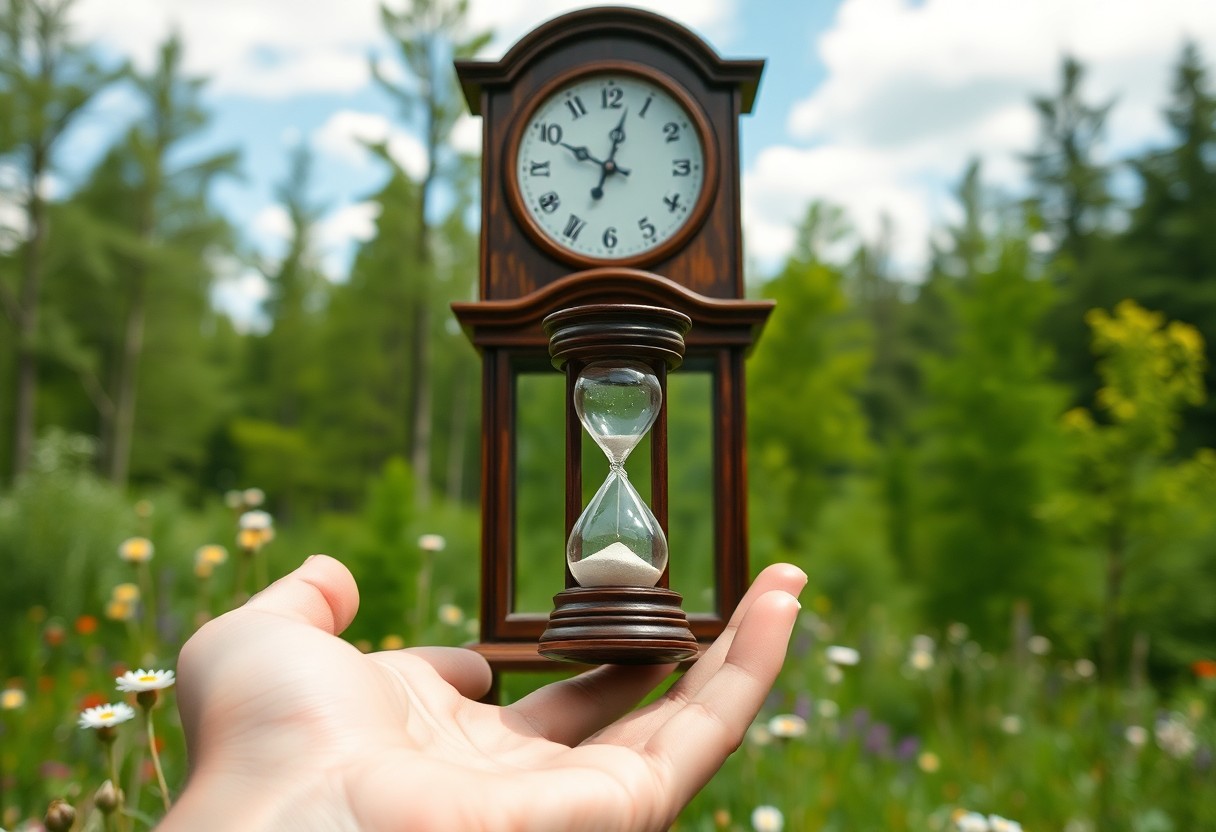
Many people struggle with the pressure of meeting societal timelines and expectations, often feeling rushed to achieve milestones. By learning to trust your inner timing, you can tune into your unique rhythm and prioritize personal growth over external pressures. This approach fosters a deeper understanding of your emotional and mental well-being, allowing you to make choices that resonate with your true self. Embracing your personal timeline empowers you to navigate life’s challenges with confidence and clarity, leading to a more fulfilling and authentic experience.
Understanding Inner Timing
Recognizing inner timing involves tuning into your own rhythms, intuition, and natural progression. This awareness allows you to align your actions with your personal growth rather than external expectations, creating a more authentic and fulfilling experience. By acknowledging that everyone has their own pace, you can cultivate patience and acceptance, resulting in better decision-making and increased satisfaction in your journey.
The Concept of Inner Timing
Inner timing is the innate sense of when to take action or allow things to unfold. It’s about listening to your instincts and recognizing that you are on your own unique path. Unlike societal norms, which often dictate hurried timelines, trusting your inner timing encourages you to value personal growth and development over external benchmarks.
The Impact of External Pressures
External pressures often distort your perception of time, creating an overwhelming sense of urgency. Society bombards you with deadlines, expectations, and milestones, compelling you to conform to a set schedule dictated by others rather than your own needs and desires.
This pressure can manifest in various contexts, such as career advancements, relationship milestones, or even lifestyle choices. Studies show that individuals who tune into their inner timing report higher levels of satisfaction and lower stress, as they make choices aligned with their personal goals instead of succumbing to societal expectations. By resisting the urge to measure your worth against external standards, you’ll find clarity in your unique timing and the paths that resonate most with you.
Recognizing Personal Rhythms
Recognizing your personal rhythms is imperative for embracing your unique journey. Each individual has distinct patterns regarding how they learn, create, and grow. By paying close attention to your daily habits, energy fluctuations, and emotional responses, you can identify these rhythms. For example, you might find that you are most productive in the morning or that you thrive during certain phases of the moon. Observing these subtleties allows you to align your goals and tasks with your natural cadence, ultimately fostering a more harmonious existence.
Identifying Your Unique Pace
Identifying your unique pace involves introspection and experimentation. Take note of when you feel most inspired or energized, and also when you require downtime. Track how long it takes you to complete tasks and reflect on how quality and creativity vary with your timing. Consider creating a journal to document your progress, noting fluctuations based on time of day, week, or even seasons. This self-awareness can illuminate patterns that support your personal journey rather than the demands of external schedules.
The Significance of Intuition
The significance of intuition cannot be overstated; it often acts as your internal compass. When you listen to your gut feelings and instincts, you can navigate life’s decisions more authentically. Intuition draws from your past experiences and subconscious knowledge, providing guidance that often transcends logical reasoning. It may compel you to pause, act, or even change direction abruptly. Trusting this intuition helps you align with your personal timing, leading to opportunities and choices that resonate more deeply with your core values and aspirations.
Intuition is a powerful tool that bridges the gap between rational thought and emotional insight. Studies have shown that intuitive decision-making can enhance creativity, with research indicating that intuitive thinkers often produce more innovative solutions. This innate guidance can reveal what aligns with your true self, allowing you to make choices that feel right rather than simply expedient. By attuning yourself to intuition, you can cultivate a deeper trust in your inner timing, empowering you to navigate life’s complexities with confidence and clarity.
Overcoming Societal Expectations
To truly embrace your path, you must confront the weight of societal expectations that often dictate your choices. These pressures can lead to a sense of inadequacy when your progress doesn’t align with conventional timelines. By challenging these norms, you can carve out a more authentic journey that aligns with your personal timeline, fostering healthier self-acceptance and patience.
The Effects of Comparison
Comparison to others often breeds discontent and frustration, overshadowing your unique timeline. You may find yourself fixated on peers’ achievements, which can distort your sense of progress. Instead of fostering motivation, such comparisons can lead to self-doubt and anxiety, preventing you from appreciating your own unique journey.
| Perceived Achievements | Undermines self-worth, creating feelings of inadequacy. |
| Pressure to Conform | Leads to decisions based on others rather than your own desires. |
| Fear of Missing Out | Distracts you from celebrating your progress and milestones. |
Embracing Individual Journeys
Choosing to embrace your individual journey allows you to navigate life according to your values and aspirations, not the expectations of others. Each person’s path is different, shaped by a unique set of experiences, challenges, and successes. By focusing on your specific goals and timelines, you cultivate resilience, confidence, and authenticity in your pursuits.
When you embrace your individual journey, you empower yourself to pursue goals that genuinely resonate with you. This personal commitment fosters a deeper understanding of what success means in your life, allowing you to celebrate small victories without comparison to others. For instance, if you decide to shift careers later in life, celebrating each step-such as completing a course or networking-becomes paramount instead of aligning with societal norms. Engaging in your process builds a fulfilling life rhythm that honors your pace and aspirations, ultimately leading to greater satisfaction.
Cultivating Patience
Patience is your ally in navigating life’s unpredictable journey. It’s about allowing situations to unfold naturally and resisting the urge to rush outcomes. Cultivating patience fosters resilience and opens the door to deeper insights. Instead of succumbing to anxiety during waiting periods, find strength in stillness. This practice not only enhances your mental well-being but also helps you appreciate life’s nuances along the way.
The Art of Waiting
Waiting may feel passive, but it can be a powerful practice in self-discovery. Embracing the moments in between your goals allows you to reflect, regroup, and gain clarity on what truly matters. Each waiting period holds potential; it can deepen your understanding of your desires and motivations, enriching your journey.
Techniques for Developing Patience
Actively engaging in activities that promote mindfulness can significantly boost your patience. Techniques such as meditation, deep-breathing exercises, or journaling allow you to slow down and reconnect with your thoughts and feelings. Such practices not only enhance your ability to remain calm during delays but also help you recognize the value in stillness.
Incorporating mindfulness practices into your daily routine can serve as a foundation for developing patience. For instance, setting aside just ten minutes for meditation can ground you, reduce anxiety, and improve your focus on the present moment. Similarly, deep-breathing techniques can provide instant relief during moments of stress, allowing you to approach challenges with a clearer mindset. Keeping a journal also gives you a space to explore your feelings regarding impatience, helping you track progress over time and recognize patterns. Through consistent practice, you’ll find that waiting transforms from a source of frustration into a valuable part of your growth.
Mindfulness and Presence
Integrating mindfulness into your daily life fosters a deep connection to your innate timing. Being mindful allows you to detach from external pressures, leading to a more authentic experience as you learn to listen to your inner voice. When you cultivate this awareness, distractions fade, and you can focus on what truly matters, enabling you to trust your own rhythm over societal expectations.
Practicing Mindfulness
To practice mindfulness, set aside time each day for focused breathing or meditation. Begin with just a few minutes, concentrating on your breath or the sensations in your body. This simple habit enhances your ability to tune into your thoughts and feelings, creating space for clarity. Gradually, you’ll find that moments of mindfulness seep into your everyday activities, enriching your life significantly.
Staying Present in the Moment
Staying present means fully engaging with the here and now, minimizing distractions and anxieties about the future or past. Engage all your senses, whether you’re enjoying a meal, conversing with a friend, or walking in nature. When you immerse yourself in the present, you allow your personal timing to guide you rather than the demands of external clocks and schedules.
Techniques like focusing on your surroundings can help anchor you in the moment. Notice the colors around you, the textures of objects, or the sounds in the environment. This sensory engagement not only enriches your experiences but also reduces stress and anxiety, thus allowing your intuition to flourish. Regularly practicing these methods can lead to a more profound sense of peace and self-understanding, reinforcing your ability to trust your inner timing as you navigate life’s challenges.

Implementing Inner Timing in Daily Life
Applying inner timing in your daily life requires intentionality and a willingness to release societal pressures. Begin by observing your natural rhythms and honoring them instead of conforming to external expectations. This might mean adjusting your schedule to align with when you feel most productive or creative. Play with different routines, allowing your intuition to guide you towards what feels right.
Practical Strategies
To integrate inner timing, establish routines that prioritize your well-being, such as meditative practices or nature walks. Start your day with activities that resonate with your energy levels, and recognize patterns in your motivation throughout the week. Employ tools like time-blocking or journaling to reflect on your feelings and energy, which can provide insights into your unique timing.
Building Supportive Habits
Creating supportive habits is necessary for aligning your actions with your inner timing. These habits should reflect your personal rhythms and preferences, providing a framework that empowers rather than constrains. Incorporate small daily practices, like gratitude journaling or setting boundaries for work-life balance, which reinforce your commitment to following your intuition.
Set achievable goals that resonate with your natural flow. For instance, if you find you’re more alert in the mornings, schedule critical tasks then rather than pushing them to the afternoon when energy can wane. Consistently revisit your commitments to ensure they reflect your evolving needs. Celebrating small successes reinforces these habits, fostering a stronger connection to your inner timing and promoting sustained growth in aligning your life with your unique rhythm.
To wrap up
Taking this into account, trusting your inner timing allows you to navigate life’s challenges with greater ease. You empower yourself to align your actions with your intuition rather than conforming to external pressures. By embracing your unique pace, you cultivate patience and resilience, ultimately leading to more fulfilling outcomes. This alignment fosters a deeper connection with your goals and desires, enabling you to thrive on your own terms. Acknowledging that your journey is distinct encourages you to honor your timing and enhances your overall well-being.
FAQ
Q: What does it mean to trust your inner timing?
A: Trusting your inner timing involves listening to your own instincts and feelings rather than adhering strictly to external schedules or societal expectations.
Q: How can I differentiate between internal and external pressures regarding timing?
A: Internal pressures often stem from personal beliefs and desires, while external pressures come from societal norms, deadlines, and other people’s expectations. Reflect on your motivations to discern between the two.
Q: What are the benefits of following my inner timing?
A: Following your inner timing can lead to reduced stress, increased satisfaction, improved decision-making, and a deeper connection to your true self and needs.
Q: How do I practice listening to my inner timing?
A: Practicing mindfulness, journaling, and meditation can enhance self-awareness, helping you identify and honor your own natural rhythms and preferences.
Q: What steps can I take when I feel pressured by external timelines?
A: First, pause and assess the situation. Set aside time for self-reflection, communicate your feelings to trusted individuals, and establish personal priorities that align with your values.
Q: Is it difficult to change my mindset about timing?
A: Changing your mindset can be challenging but is achievable with patience and consistent practice. Start small by making conscious choices that reinforce trusting your inner timing.
Q: Can trusting my inner timing affect my relationships?
A: Yes, it can enhance relationships by promoting authentic communication. As you become more attuned to your own needs, you can express them more clearly, fostering understanding and support from others.